About the AHCT/The Comedia
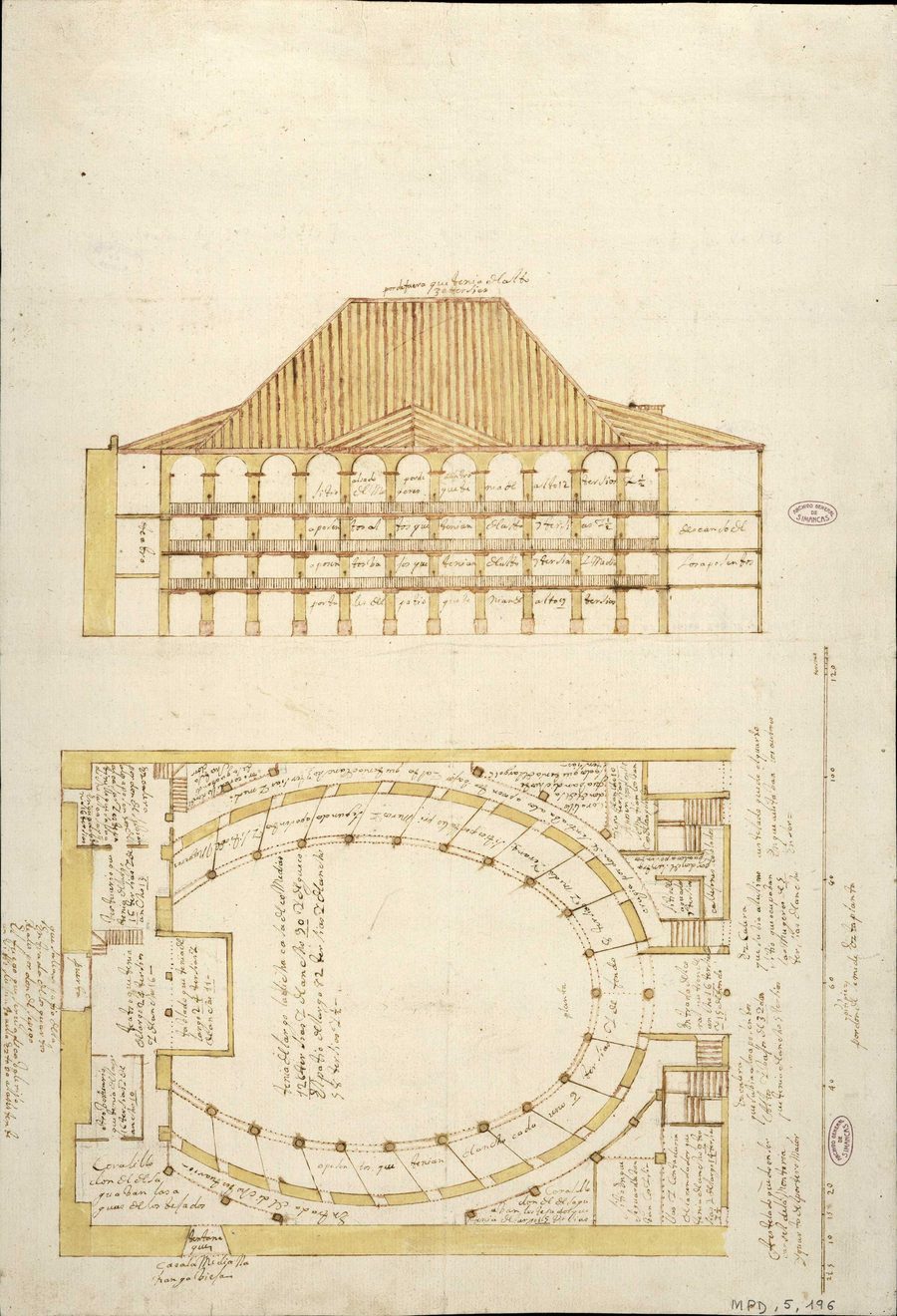
During the early modern period, theater became in Spain, a mass cultural phenomenon that united aristocrats, clerics, artisans, merchants, students, and even the illiterate public in a shared experience. In the bustling corrales de comedias of Madrid, Seville, Valencia, Lima, or Mexico City, spectators gathered daily to watch new plays that combined poetry, music, dance, spectacle, humor, philosophy, and moral reflection. Theater was not an occasional luxury but the central feature of popular culture, social life, and cultural expression.
Lope’s revolution
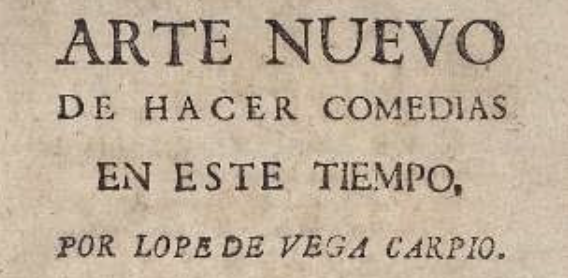
The Golden Age Comedia was revolutionary because it broke with classical rules inherited from antiquity. In his influential treatise Arte nuevo de hacer comedias (1609), Lope de Vega openly declared that playwrights should write according to the tastes of the public rather than the prescriptions of Aristotle. The result was a flexible and vibrant dramatic form characterized by:
- a three-act structure (jornadas)
- the mixture of tragic and comic elements
- the blending of high and low characters
- the use of multiple verse forms suited to different situations
- plots driven by honor, love, intrigue, and moral conflict
Rather than separating tragedy and comedy, the Comedia embraced variety and contrast, moving effortlessly between laughter and gravity, romance and violence, philosophical reflection and lively wit.
The genres
Within this broad dramatic system, several genres developed. Historical and legendary plays dramatized national history and heroic deeds. Comedias de capa y espada presented fast-paced urban intrigues involving love, jealousy, and questions of honor. Religious drama, especially the spectacular autos sacramentales, explored theological themes through allegory and pageantry. Other plays treated mythological subjects, biblical narratives, or pastoral worlds. Together they created a theater capable of addressing both the daily concerns of society and the deepest metaphysical questions of human existence.
The playwrights
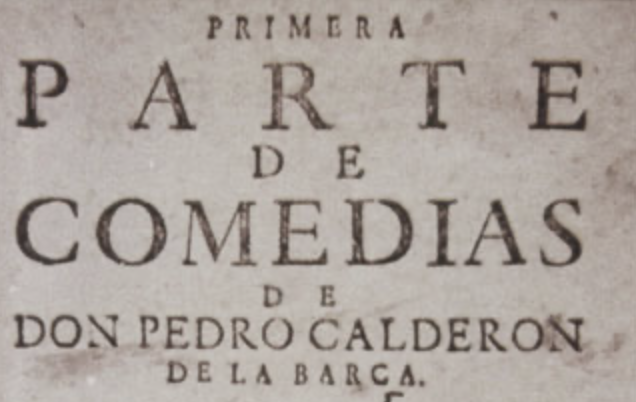
The movement produced an extraordinary constellation of playwrights. Lope de Vega, often called the architect of the system, wrote hundreds of plays and established the conventions of the Comedia. Tirso de Molina enriched the stage with psychological complexity and created enduring characters such as Don Juan. Pedro Calderón de la Barca, the culminating figure of the tradition, refined the form with philosophical depth and poetic brilliance in works such as La vida es sueño and his celebrated autos sacramentales. Alongside them worked many other remarkable dramatists, including Juan Ruiz de Alarcón, Guillén de Castro, Antonio Mira de Amescua, Sor Juana Inés de la Cruz, María de Zayas, and Ana Caro Mallén.
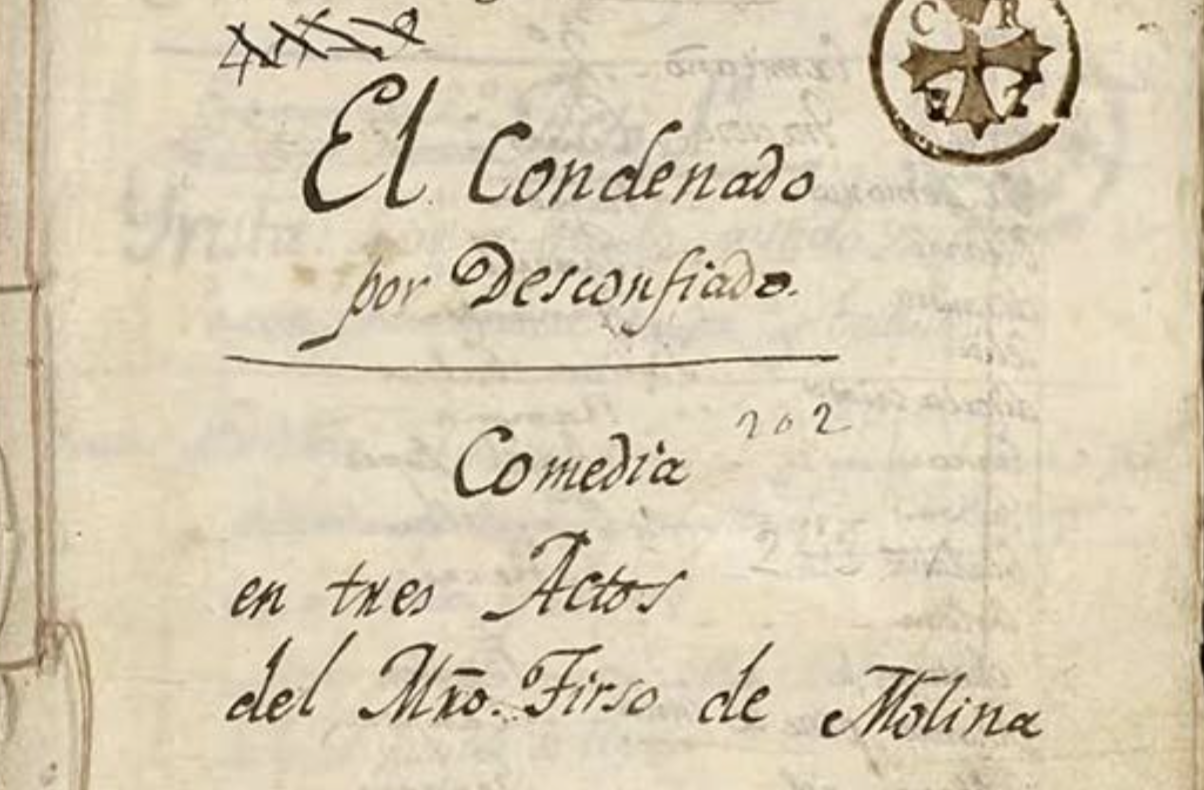
The scale of this theatrical culture is astonishing. More than 10,000 plays from the period have survived, and scholars know the names of around 1,000 playwrights who contributed to this immense body of dramatic literature. These figures reveal a theatrical ecosystem of extraordinary productivity and diversity.

Women on stage and in print
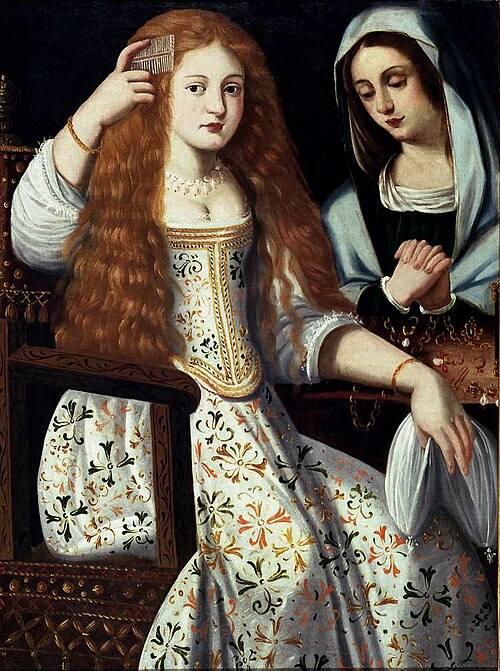
Women played a vital and visible role in this world. The Spanish stage allowed women to appear publicly as professional performers, something still forbidden in many parts of Europe. Celebrated actresses became famous figures, admired by audiences across the empire. Among the most legendary was María Calderón, known as “La Calderona,” whose fame reached the royal court and whose career illustrates the visibility and cultural power of actresses in seventeenth-century theater.
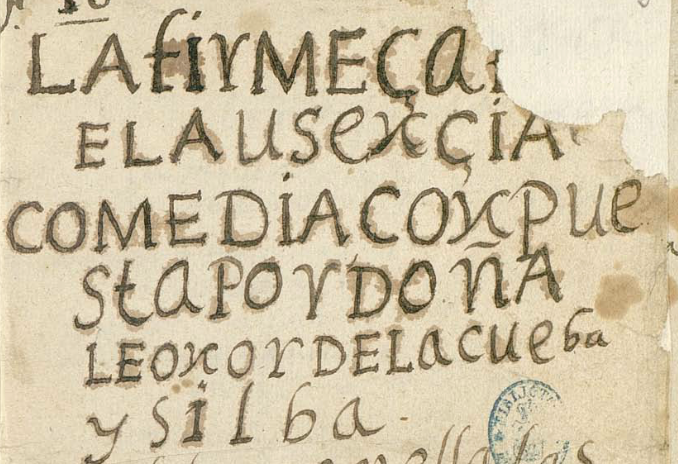
Women were also active as playwrights. María de Zayas, one of the most important prose writers of the Spanish Baroque, also contributed to the theatrical tradition, while Ana Caro Mallén achieved remarkable success as a professional dramatist whose plays were performed on major stages. Their presence reminds us that the Comedia was not only a literary tradition but also a dynamic professional world in which women could participate as creators and performers.
A stage across an empire
Indeed, the Comedia extended far beyond Spain itself. It flourished across the entire Spanish Empire, from Madrid and Seville to Mexico City, Lima, and other viceregal centers, creating a vast theatrical network. Acting companies traveled, plays circulated in print and manuscript, and audiences everywhere demanded new works. Famous playwrights and actors became widely recognized, and celebrated performers drew crowds wherever they appeared. In this sense, the Comedia functioned as an early star system, sustained by theaters across a transatlantic cultural space.
By the seventeenth century the production of plays had reached astonishing proportions. Thousands of works circulated in performance and print, companies toured constantly, and audiences expected an ever-renewed repertory of dramas. Theater functioned simultaneously as entertainment, civic ritual, moral reflection, and poetic art.
A theatrical civilization
For this reason, the Golden Age Comedia is best understood not merely as a genre but as a vast theatrical civilization. It was sustained by poets, actors, actresses, musicians, stage designers, printers, and spectators throughout the Spanish-speaking world. Its legacy endures today in the continued performance, study, and admiration of these works, which reveal a society passionately engaged with questions of honor, freedom, faith, love, and human destiny through the transformative power of the stage.