
The conference program will be made available online and in a PDF format to all participants after June 15, 2026.
LA Escena Los Angeles Festival of Hispanic Theater Schedule
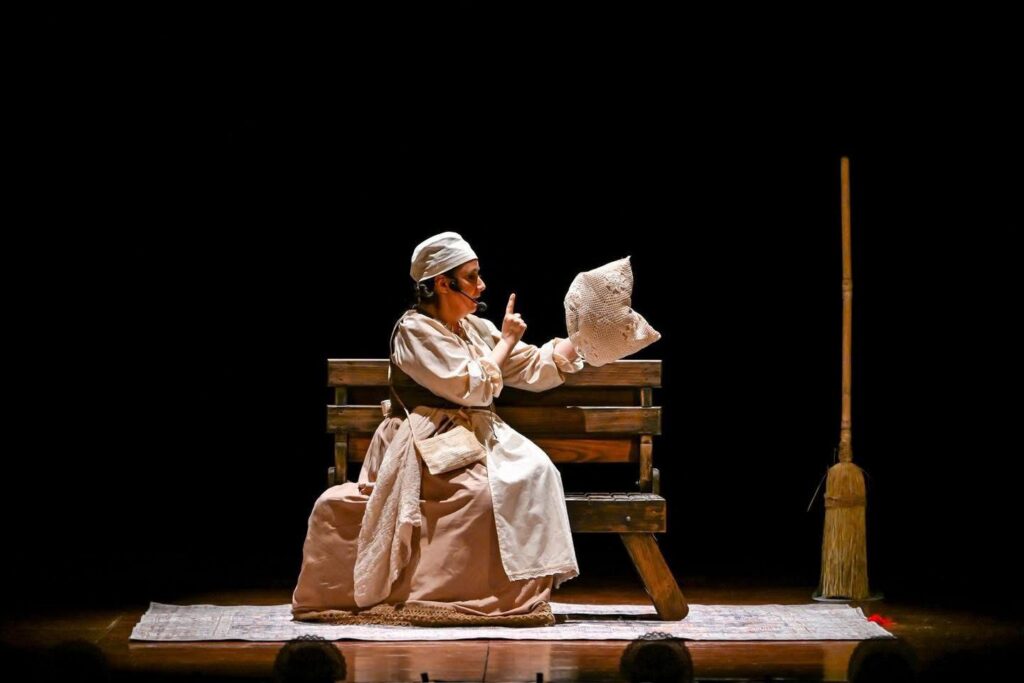
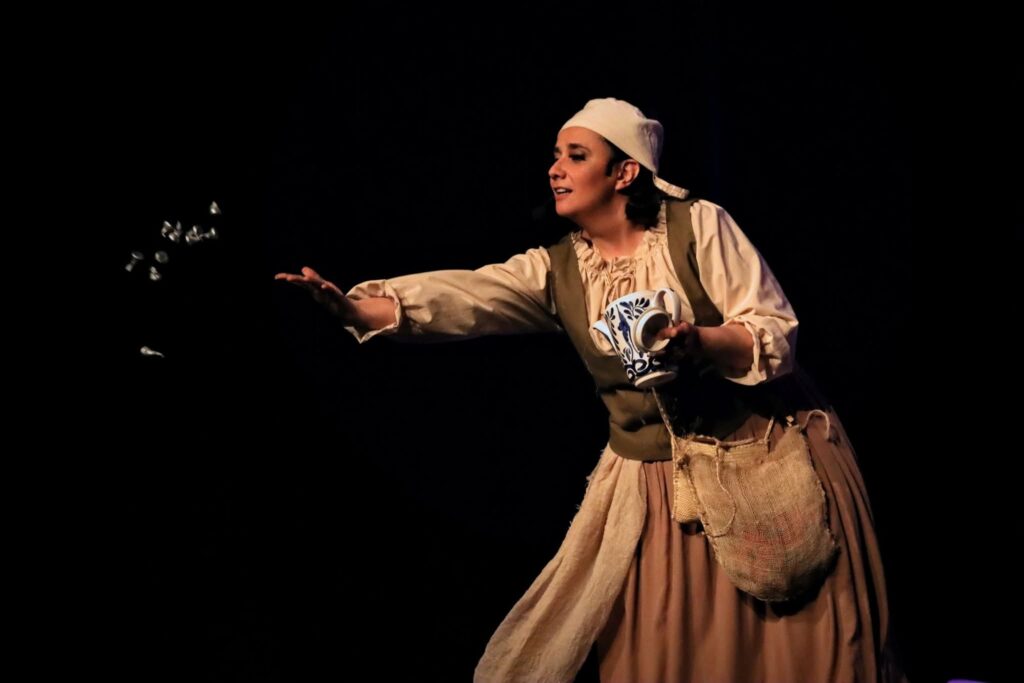
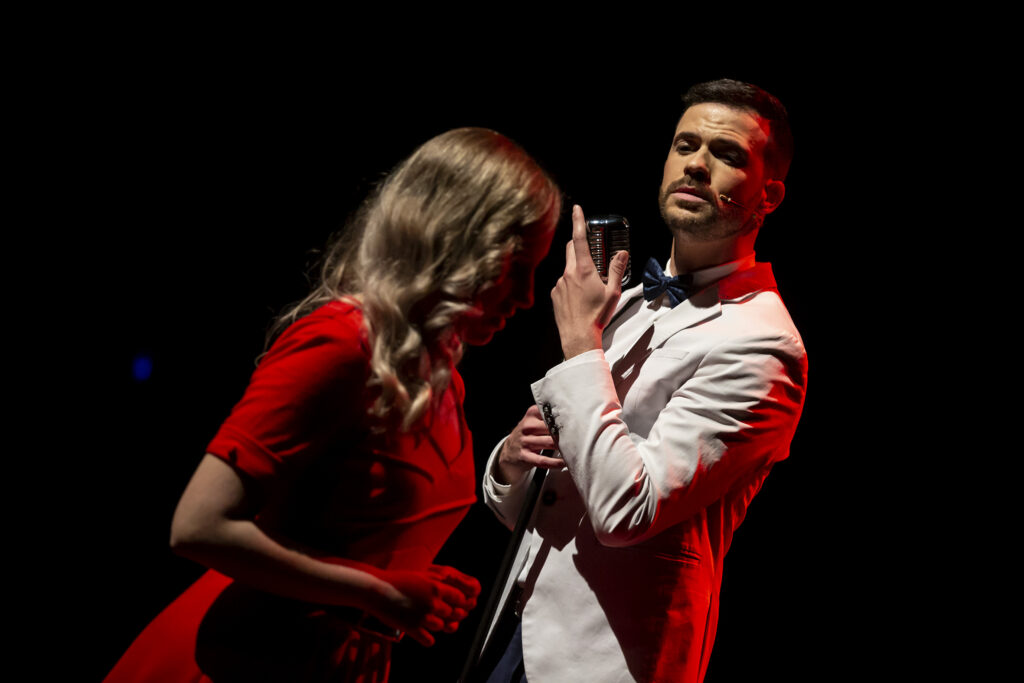
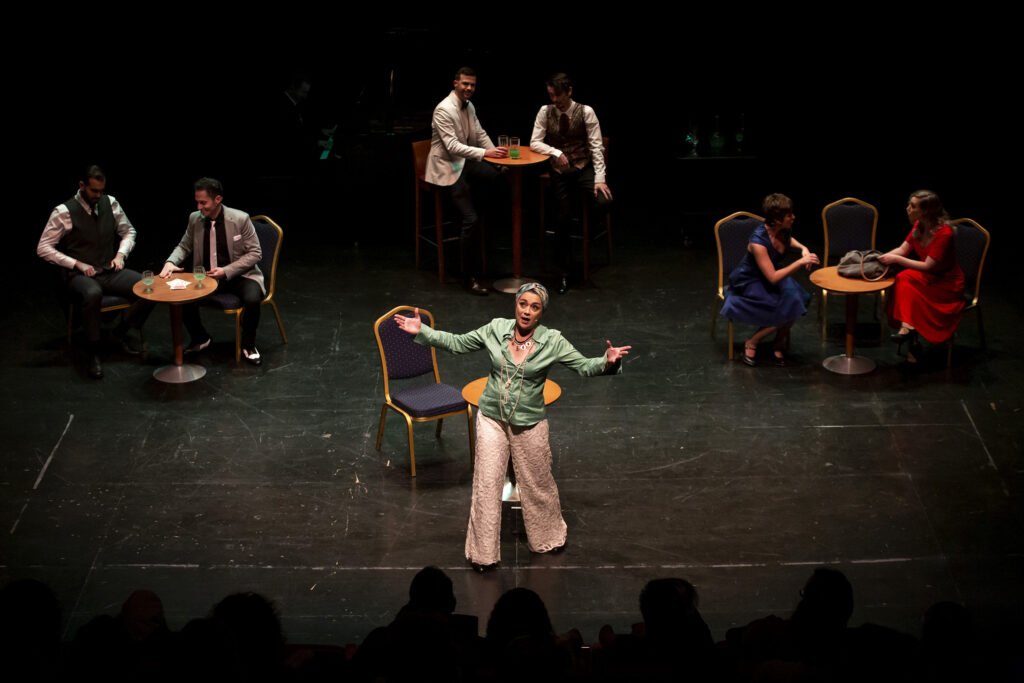
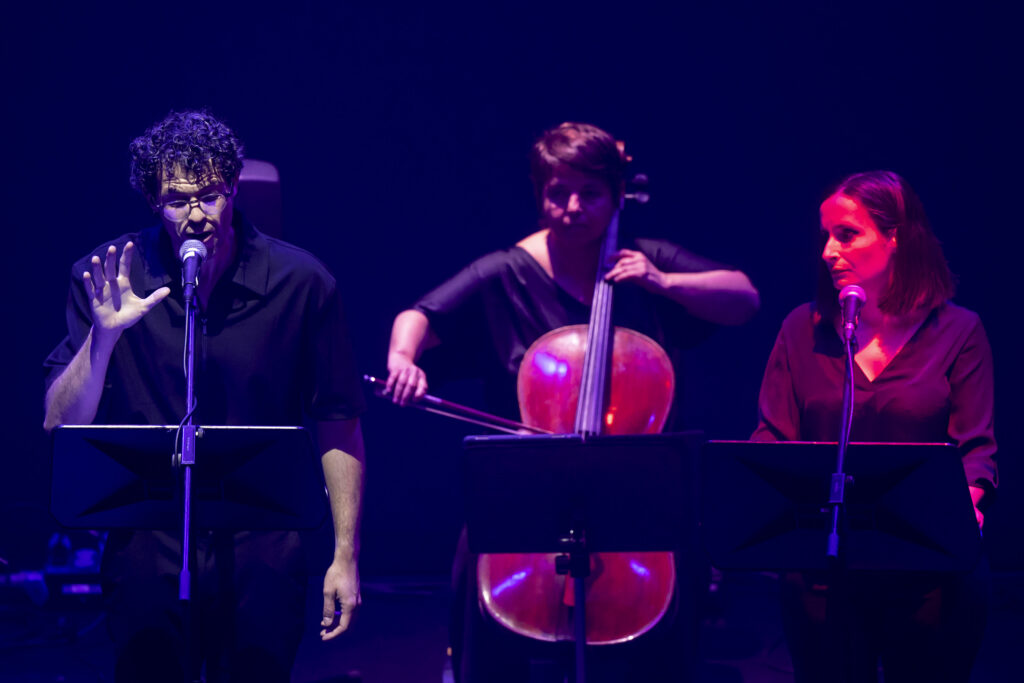
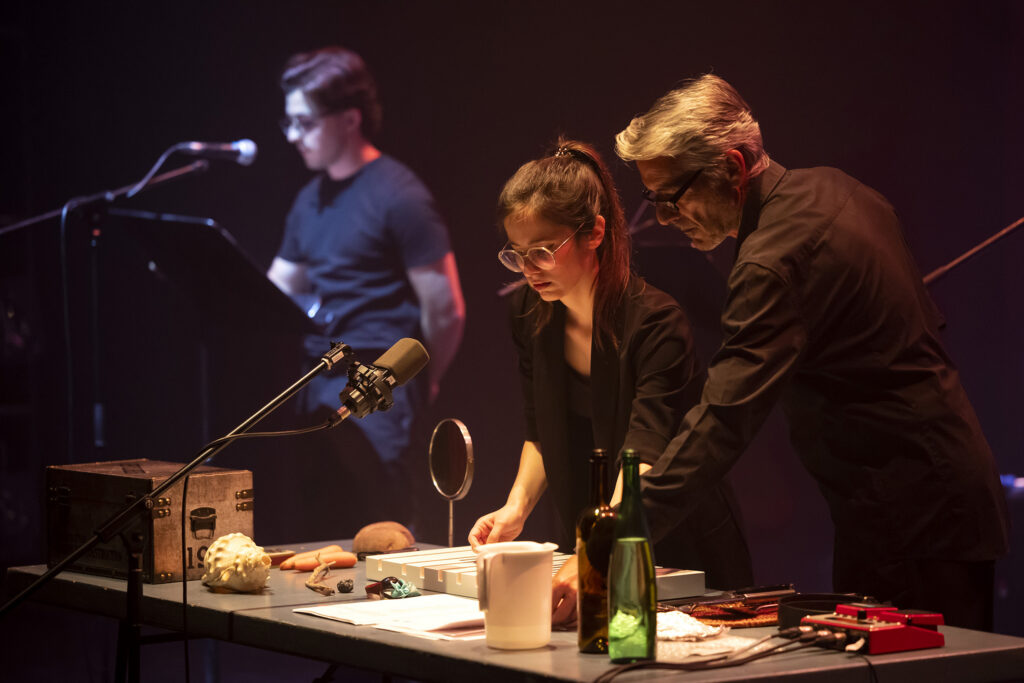
The theater festival will feature performances by Paola Izquierdo of Historias amorosas no tan ejemplares (inspired by María de Zayas) and by Jóvenes Clásicos of Canciones de Olmedo and Calderón de la Barca’s Amar después de la muerte. (Photos of Jóvenes Clásicos by Daniel Pérez.) The festival schedule and venues will be available in July 2026.
Fuenteovejuna screening
On Thursday, September 17, we will be screening a recording of the play Fuenteovejuna by the town Fuente Obejuna directed by José Carlos Cuevas and Pedro Hofhuis.
Fuenteovejuna in Fuente Obejuna, by the People of Fuente Obejuna
Performances of Lope de Vega’s Fuenteovejuna in the town of Fuente Obejuna, in the province of Córdoba, date back to 1935, when they were staged to commemorate the third centenary of the Madrid playwright’s death (1635). Beginning in 1992, local residents became actively involved in the cast, taking on the principal roles. This marked a turning point in the production, transforming it into a community-based theatrical event that has remained one of its defining characteristics ever since.
In 2018, the production was officially declared a Site of Cultural Interest (Bien de Interés Cultural), a designation that protects its historical, artistic, and cultural significance. The recognition highlights both its tangible and intangible heritage, including the legend itself and this unique theatrical tradition.
Attending Fuenteovejuna in Fuente Obejuna is a unique experience in Spain, allowing spectators to travel back in time and discover the true story of a village that rose up against tyranny and was immortalized by Lope de Vega in one of his most celebrated plays.
The latest edition will be performed from August 18 to 22, 2026, under the direction of José Carlos Cuevas and Pedro Hofhuis. Their production includes the character of Lope de Vega himself, serving as a tribute to the theater of the Spanish Golden Age.